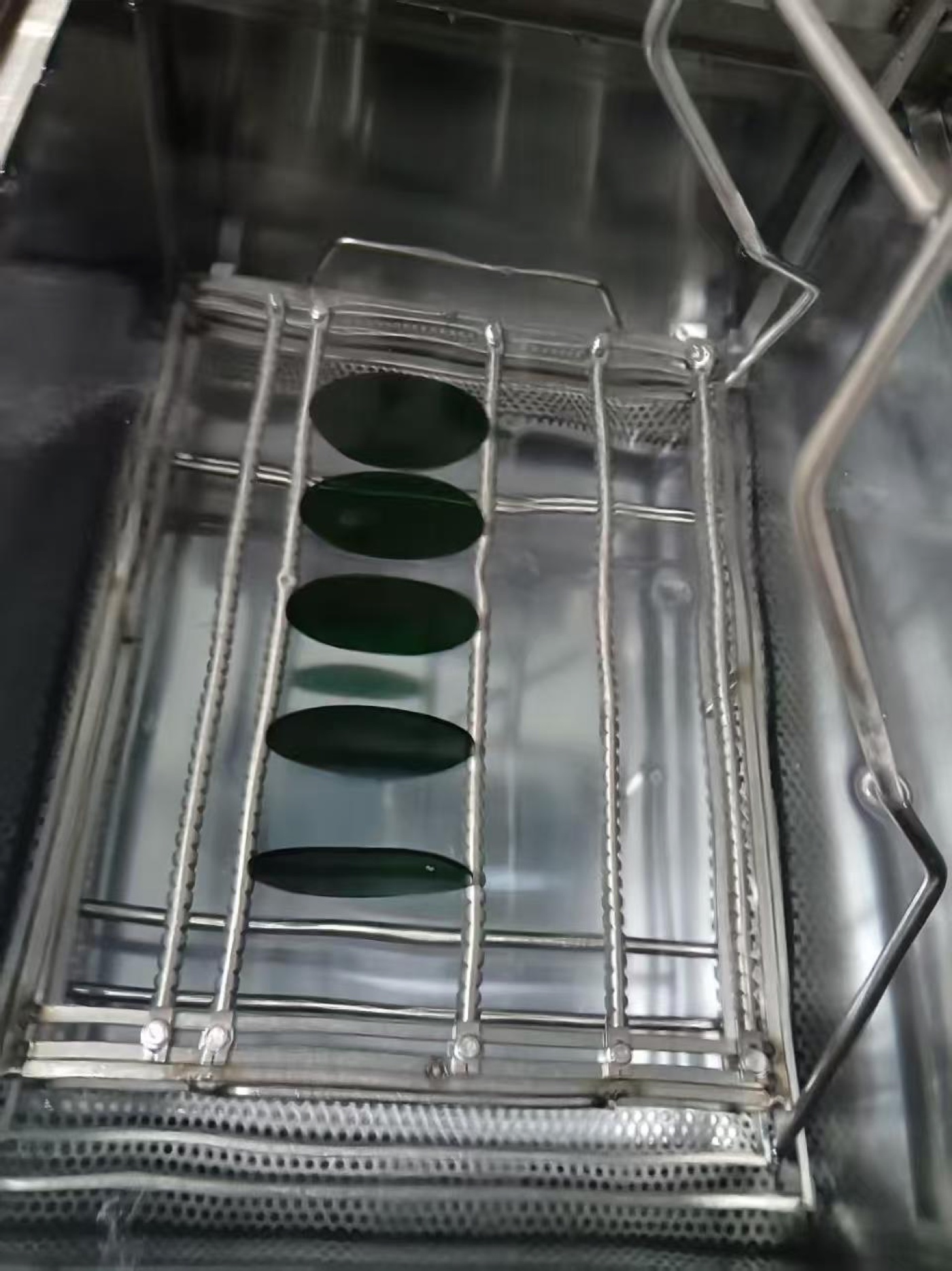
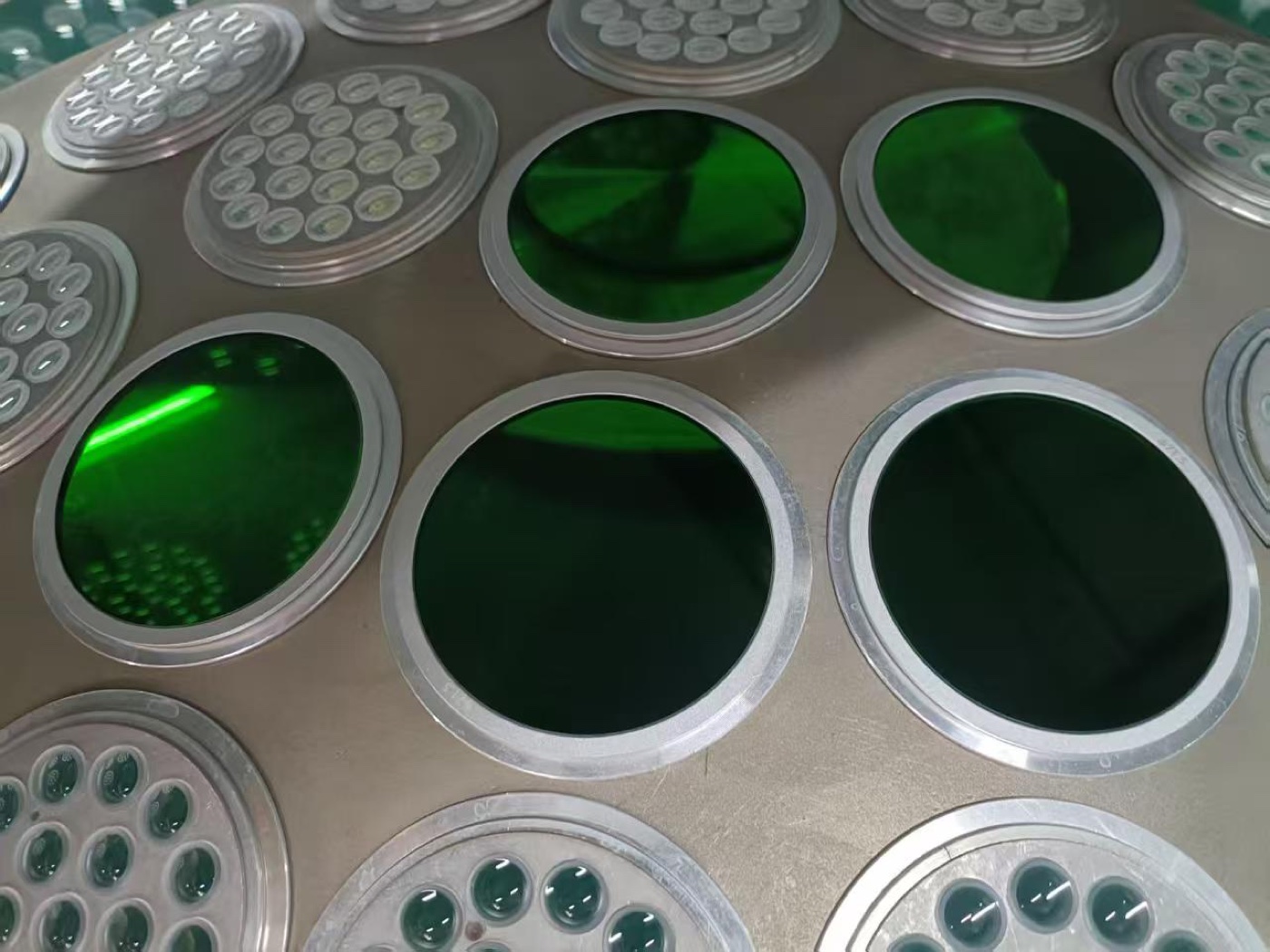
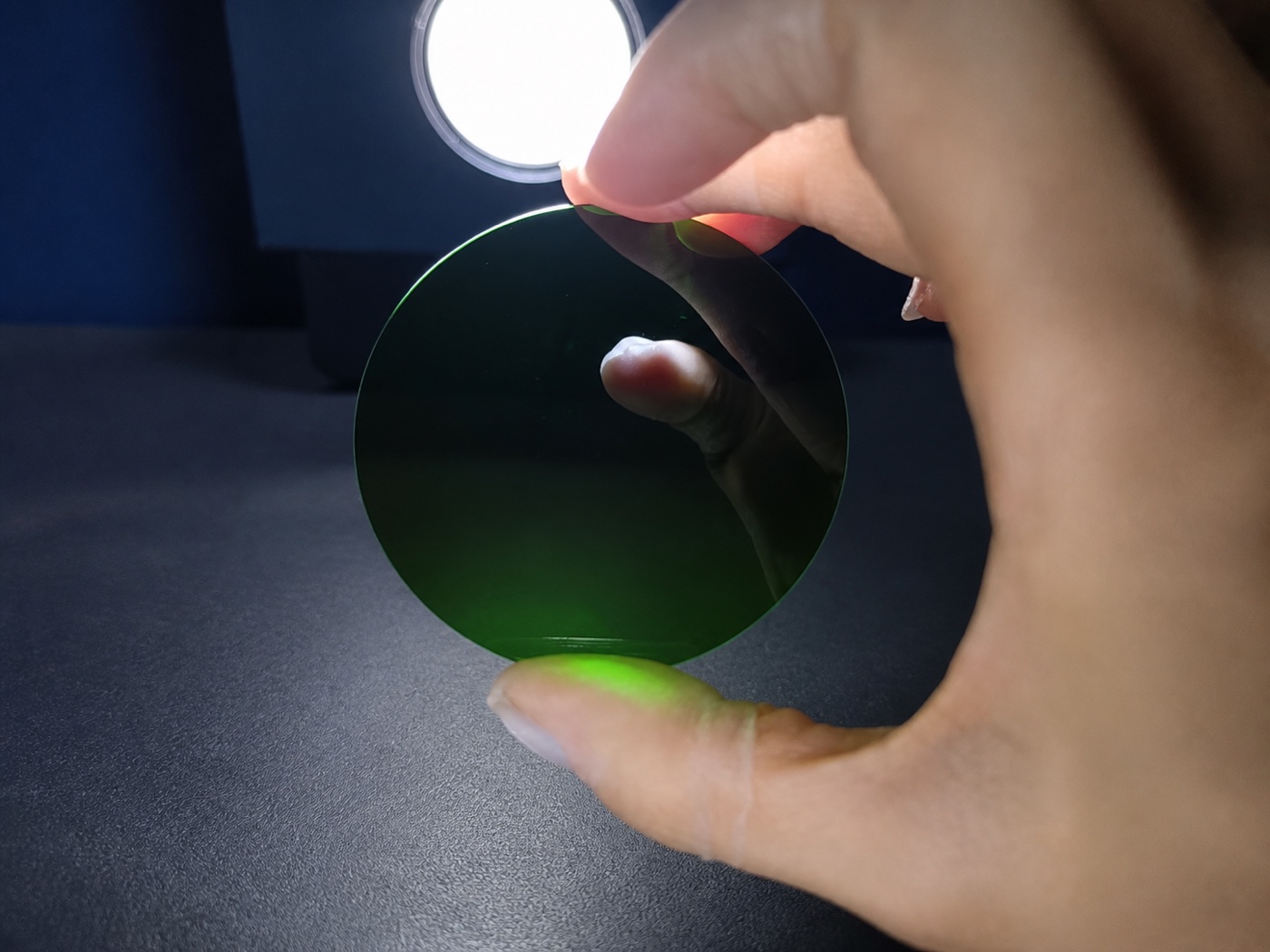
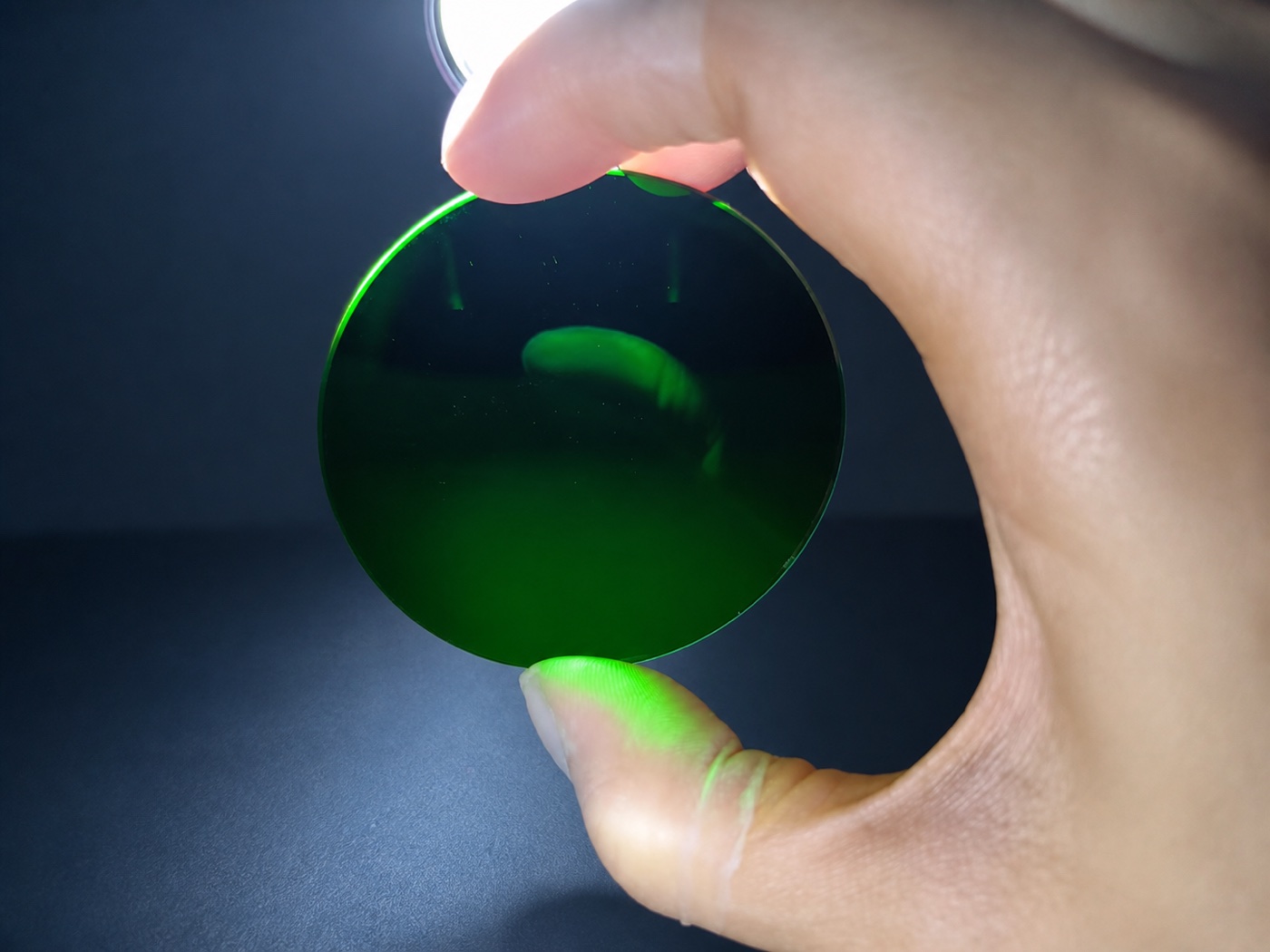
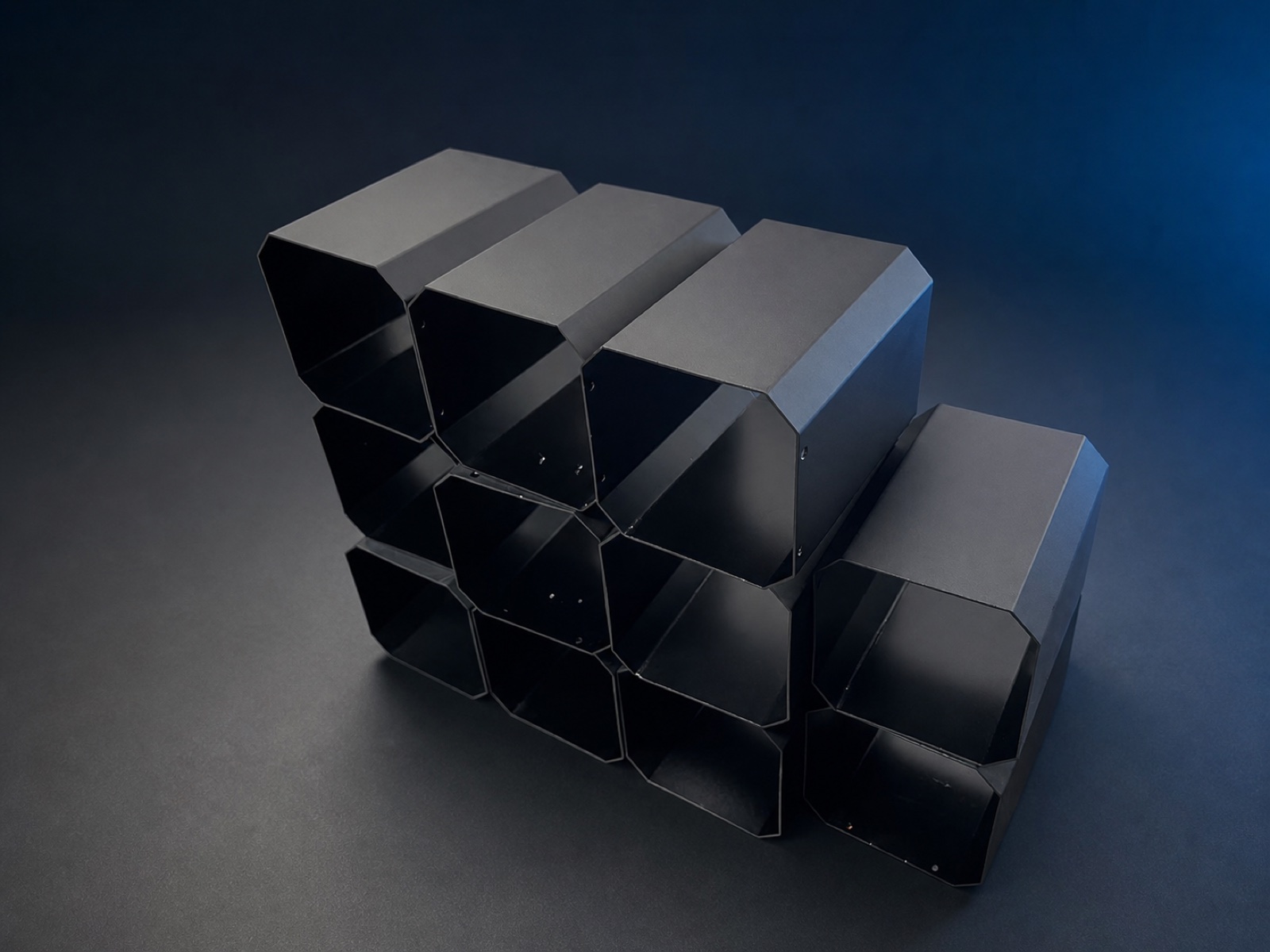
The filter-glass batch completed its optical coating process. The production photos are retained as process evidence, including the fixtures and surrounding batch parts.
Before-and-after samples were observed under a strong inspection light to record visible changes in surface reflection, environmental reflections and overall colour. These photographs show visible differences only; they do not identify the deposition method and do not replace spectral or NVIS compliance testing.
The aluminium rear cover uses a compact envelope with very limited machining allowance. Wall thickness, folds, connector openings and assembly clearances therefore leave little room for accumulated error.
Bringing these parts consistently within the design tolerances is demanding. This batch completed matte-black anodising and will continue through trial assembly and fit inspection.
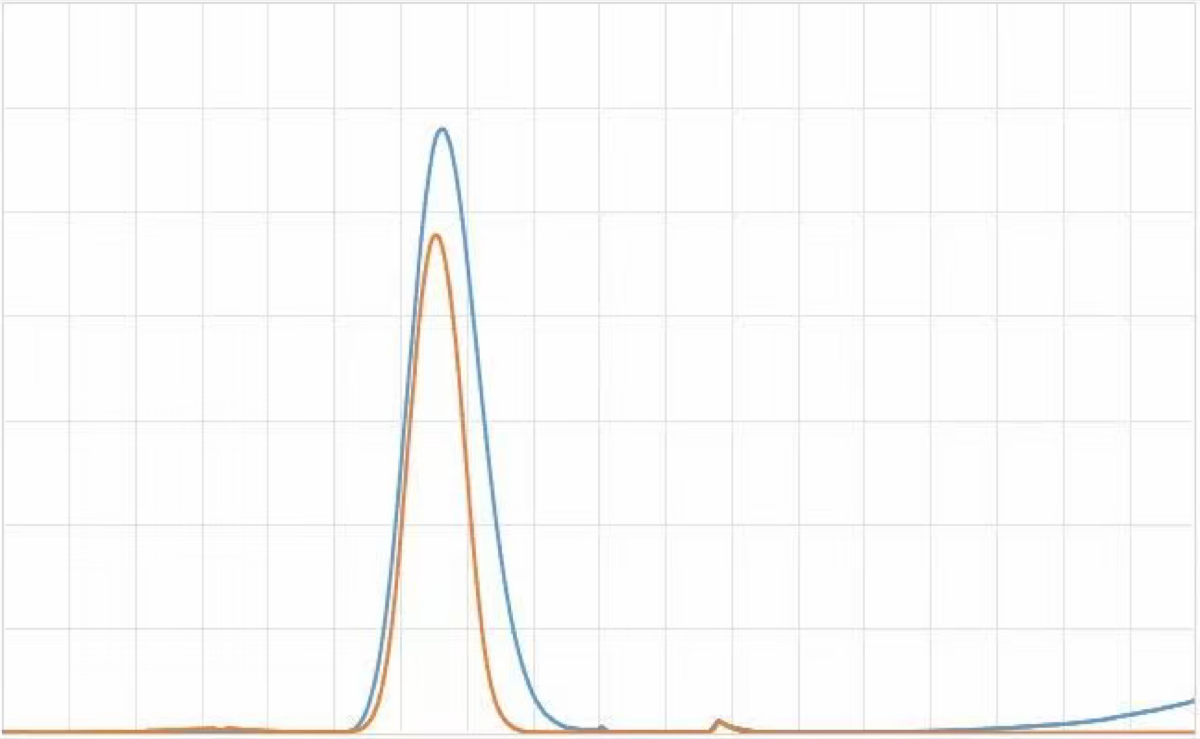
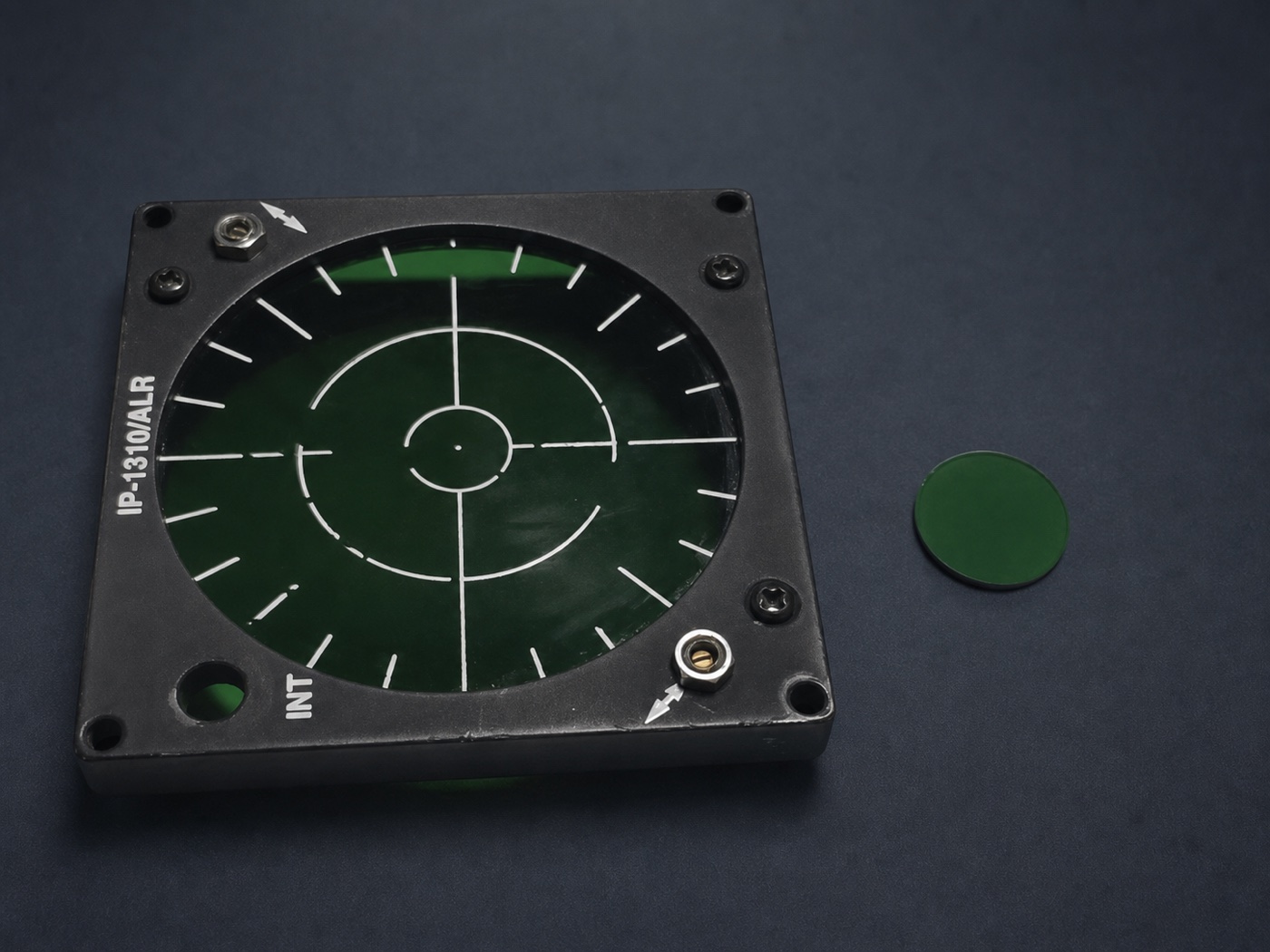
A military-grade RWR simulator bezel and its optical filter were sent to the filter-glass supplier for spectral analysis and comparison with available products.
In the comparison chart, the blue curve is the closest selected UA option. It targets a visual and spectral character close to NVIS-style filtering, but is not a claim of military NVIS compliance. Where a project requires specified NVIS performance, custom coating and corresponding testing can be evaluated at substantially higher cost.
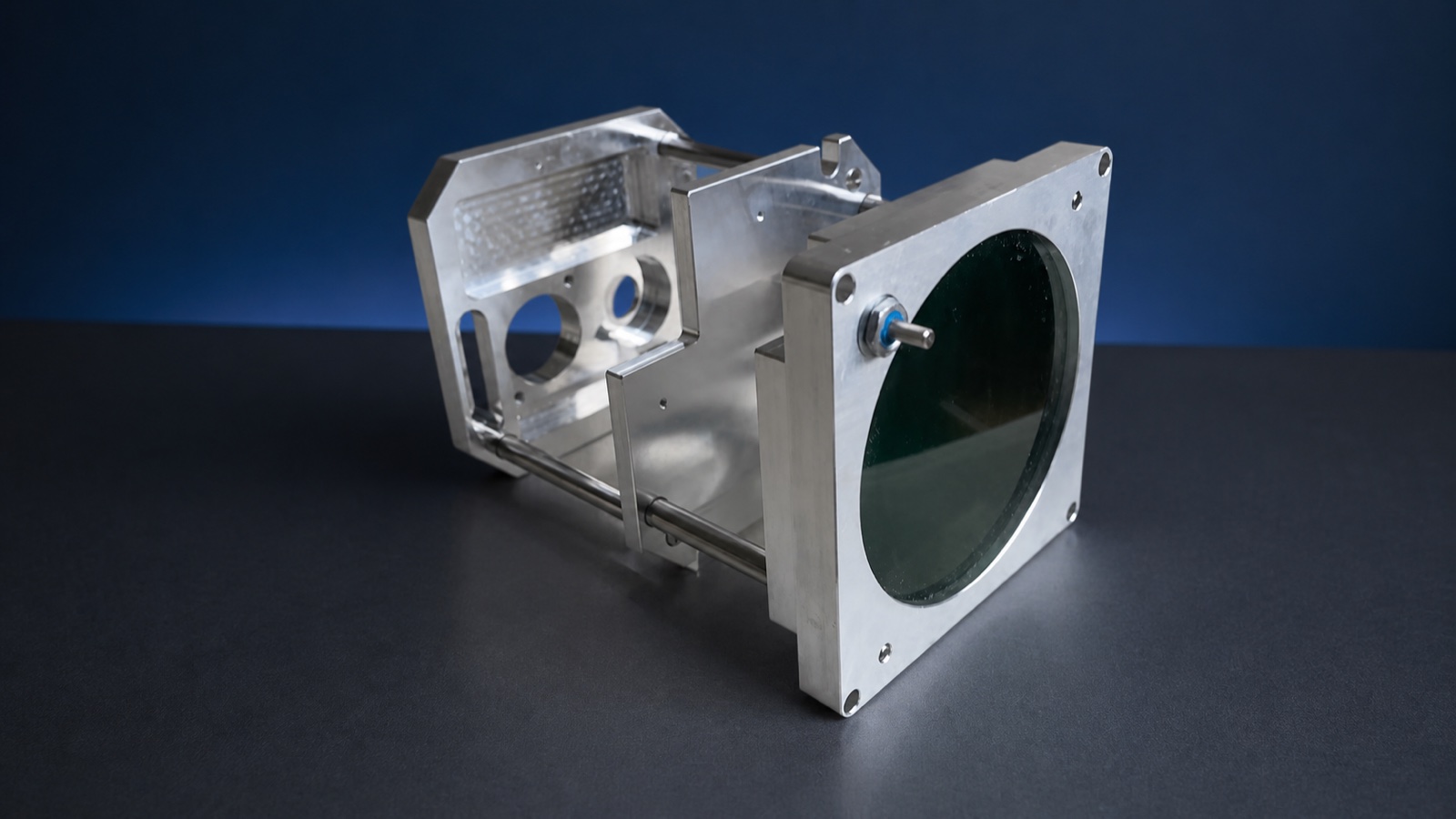
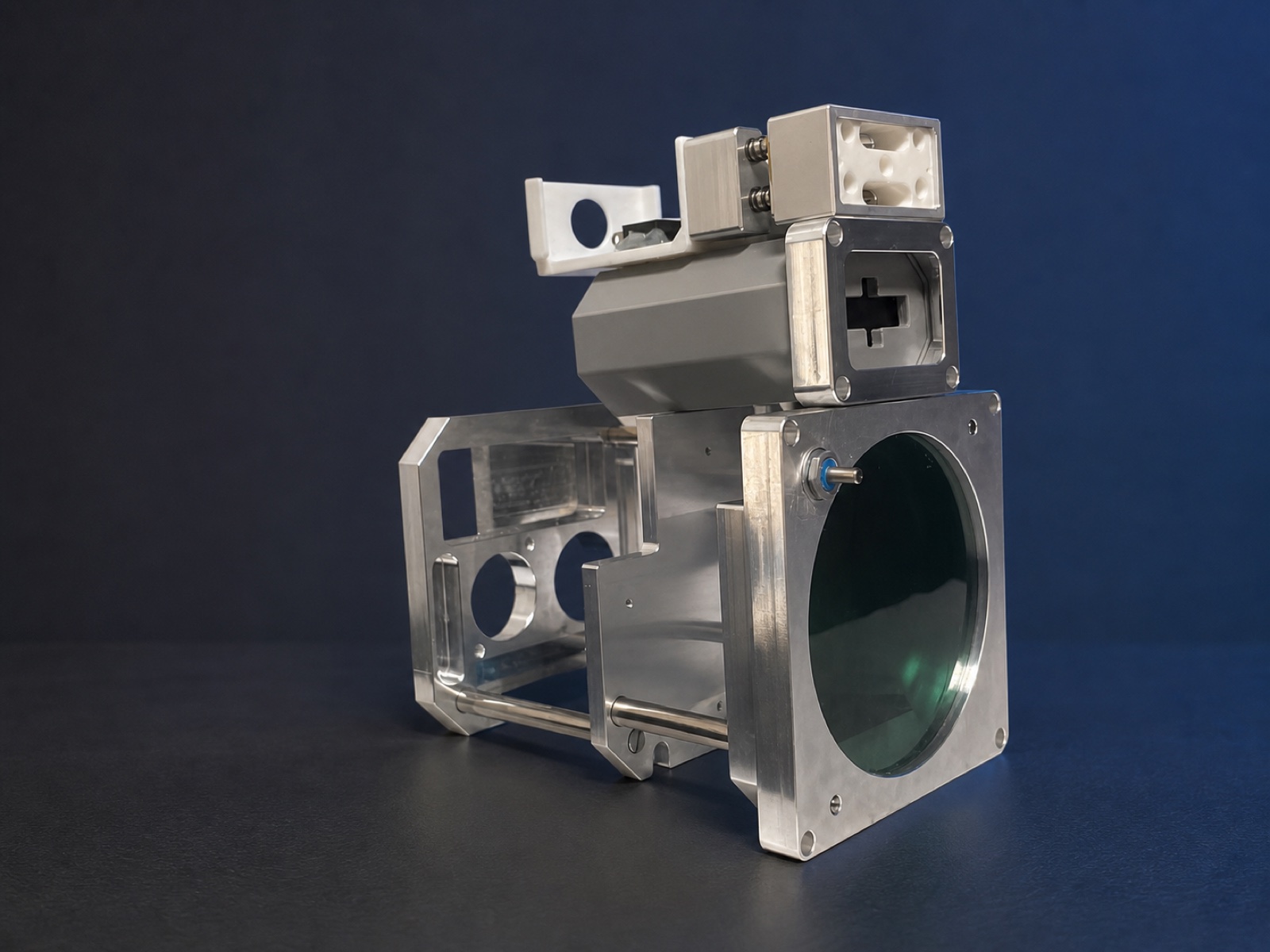
The first complete set of RWR structural parts was CNC machined, bringing the front bezel, internal supports, display window and rear structure together as a physical assembly.
The first article was used to check manufacturability, basic assembly relationships and the available clearances between the display window, control, support rods and rear enclosure—not to represent the final surface finish.
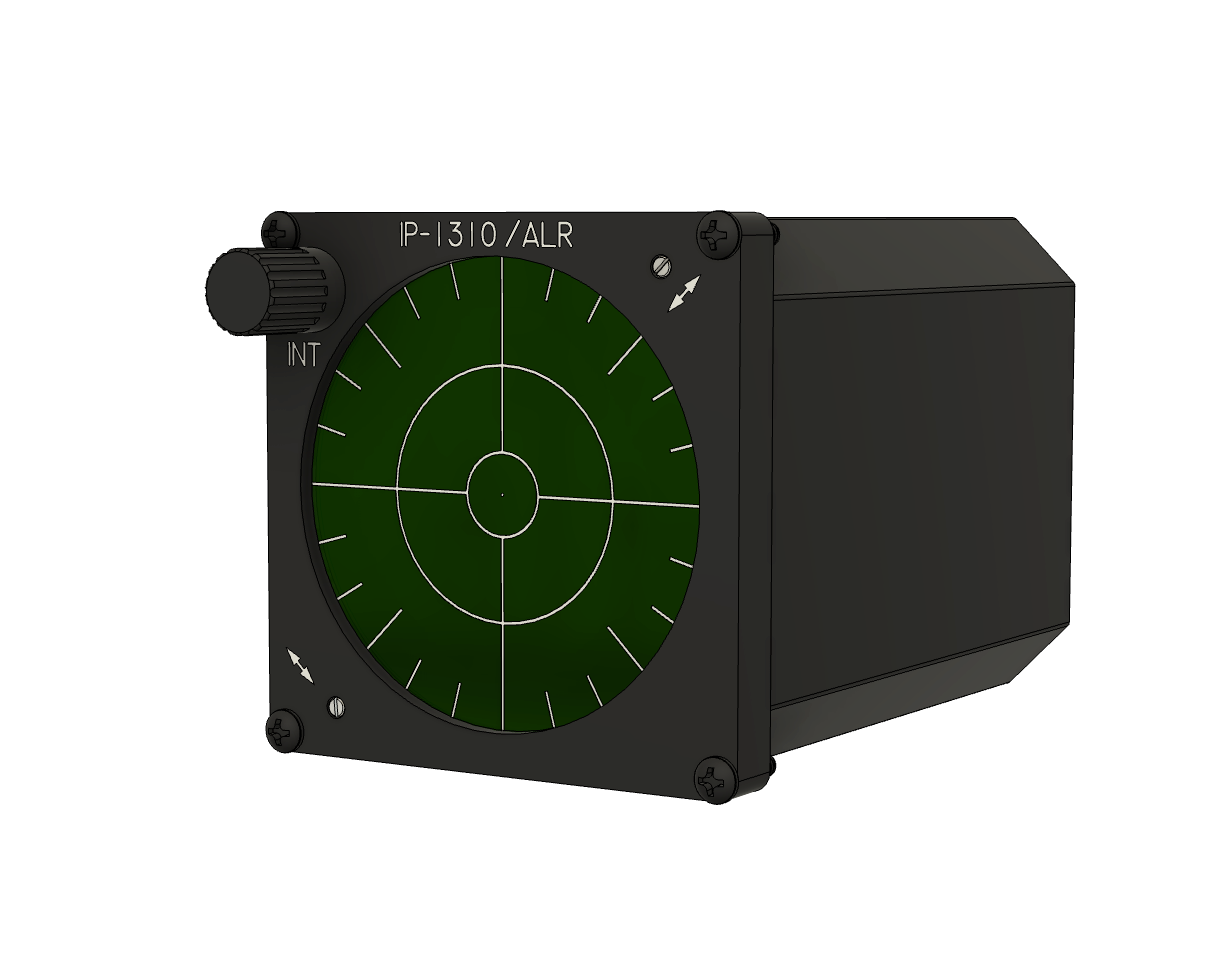
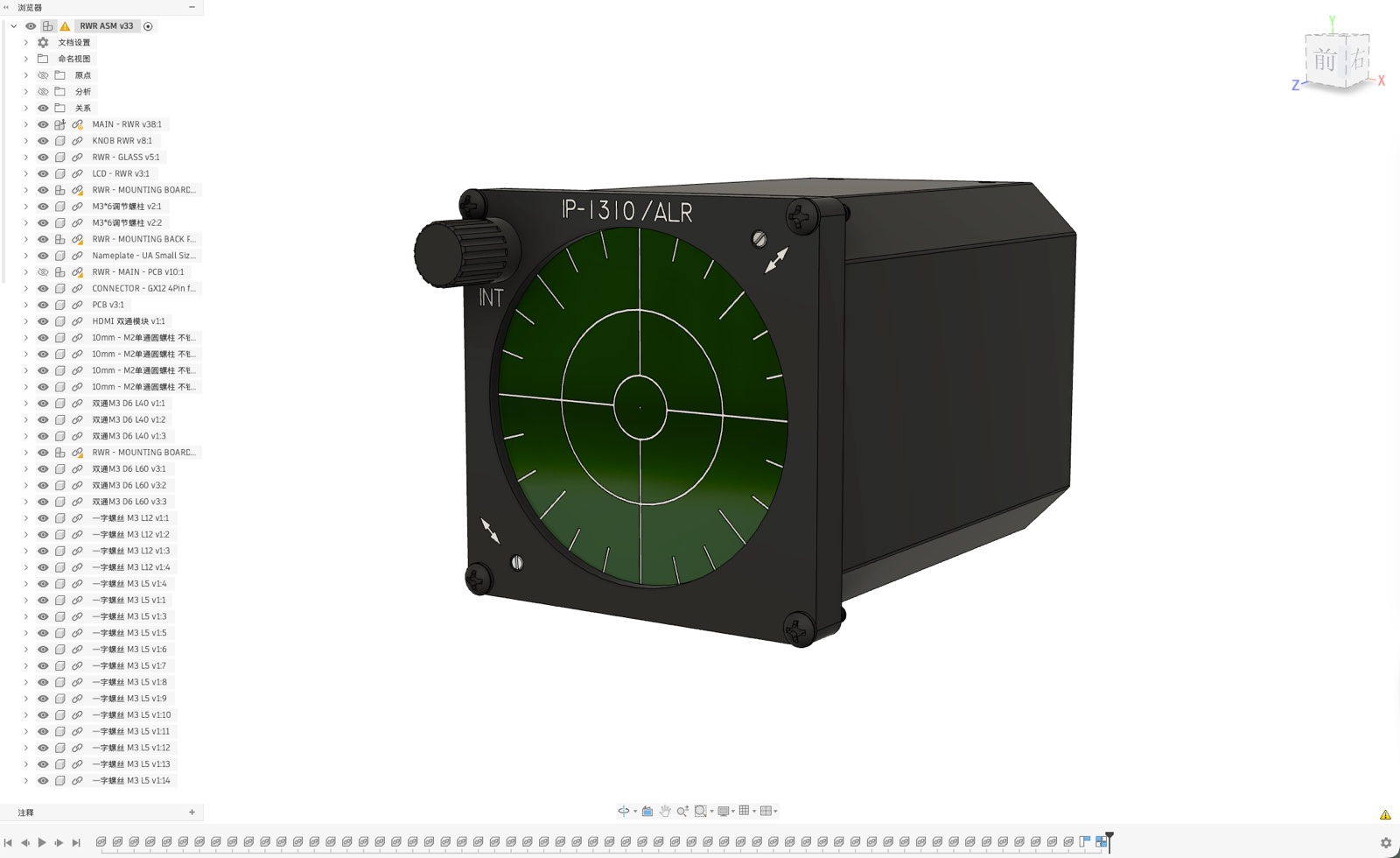
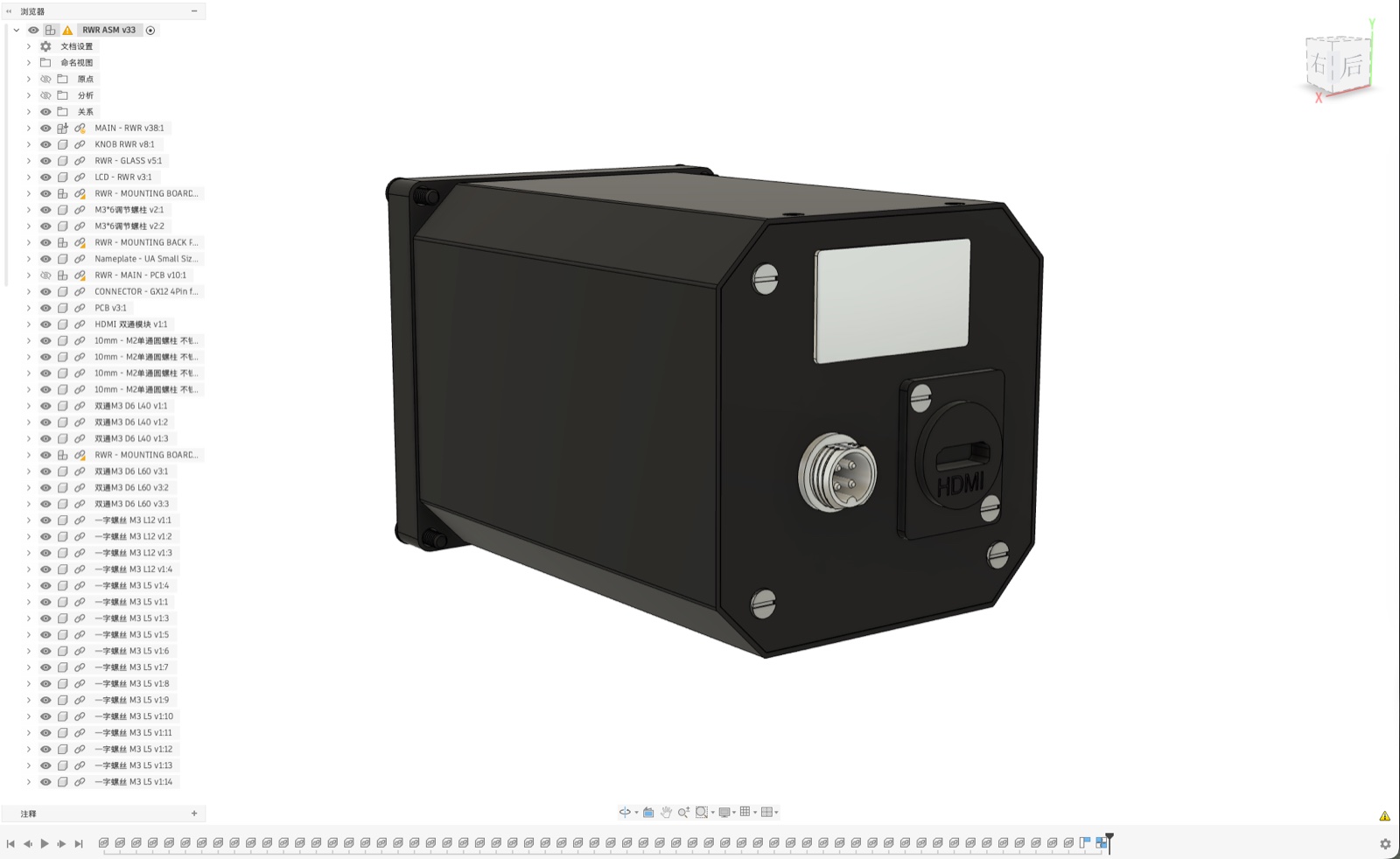
The first prototype assembly design was frozen, bringing the front bezel, instrument body, display components, control, mounting structure, interfaces and rear cover into one assembly relationship.
This design became the basis for first-article machining and assembly validation. Later changes are driven by the physical machining, fit and viewing results rather than appearance alone.